
Technology and Food
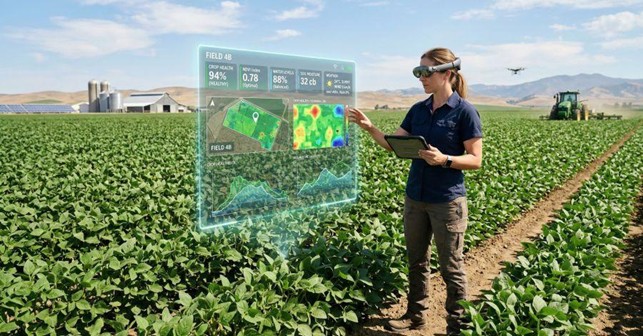
Innovating Today to Nourish Tomorrow: How AR, VR and Virtual Tours Can Transform the Future of Food
On the occasion of World Food Day 2026, celebrated on October 16 under the theme “Innovating Today to Nourish Tomorrow”, the FAO encourages us to reflect on the role of innovation in building more resilient, healthy and sustainable food systems.
In this context, digital and immersive technologies offer practical tools to rethink how we produce, distribute, understand and consume food. From smart agriculture to immersive training and the enhancement of agri-food supply chains, innovation can help reduce waste, optimize resources and promote more informed choices.
How Digital Technologies Make Food Systems More Sustainable
The integration of Artificial Intelligence (AI), the Internet of Things (IoT), Augmented Reality (AR), Virtual Reality (VR) and Virtual Tours (VT) creates new opportunities across the entire food supply chain.
Smart sensors and data analytics help agricultural businesses monitor crops, optimize irrigation and prevent waste. Immersive technologies add another essential dimension: making this information more accessible, understandable and engaging.
Augmented Reality (AR): Information and Transparency at Your Fingertips
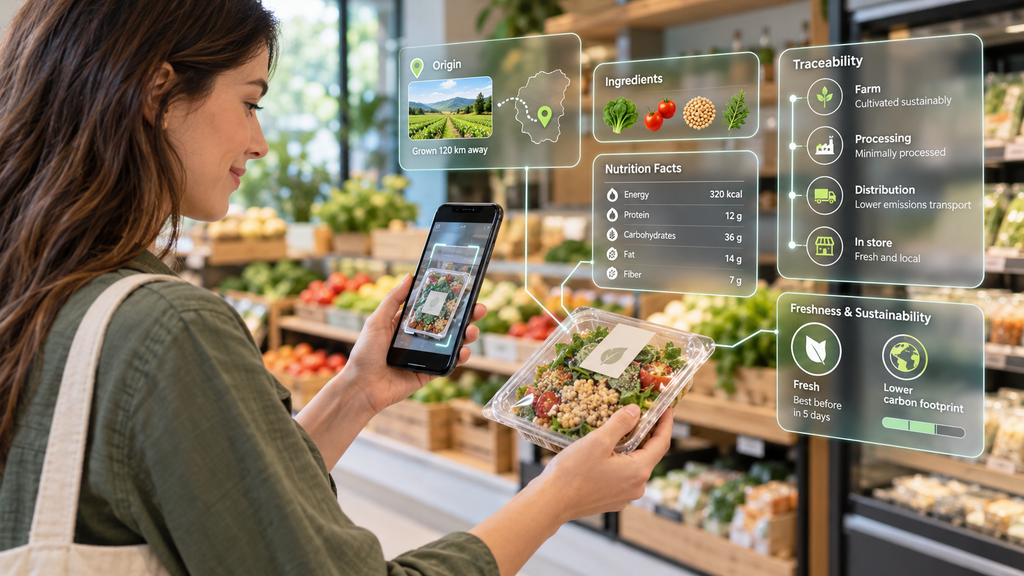
Augmented Reality overlays digital content onto the real world, transforming products, packaging and physical environments into interactive information tools.
Practical applications:
- By scanning a food product with a smartphone, consumers can explore its origin, ingredients, nutritional information and production journey.
- Agricultural operators can access contextual instructions and real-time information directly on machinery and equipment.
- Interactive packaging can provide food storage recommendations and creative recipes to reduce food waste.
AR promotes greater food awareness, transparency and accessibility of information.
Virtual Reality (VR): Learning Through Experience
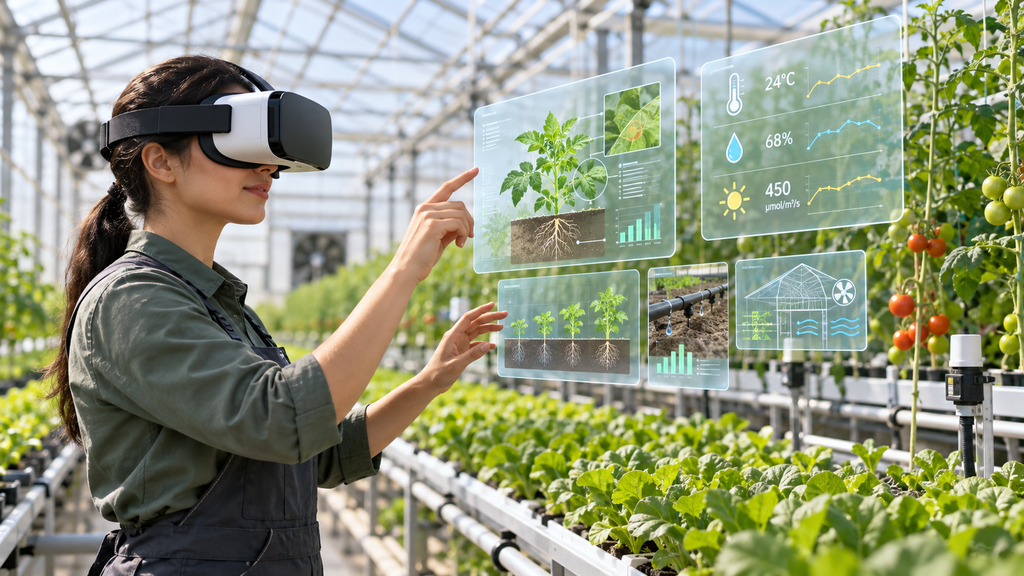
Virtual Reality makes it possible to simulate environments and scenarios, creating new opportunities for training, research and food education.
Practical applications:
- Immersive simulations to train professionals in food safety, hygiene and resource management.
- Educational experiences demonstrating the impact of climate change on agricultural production.
- Virtual workshops that raise awareness among students and consumers about healthy, balanced diets.
VR transforms complex concepts into engaging experiences, making learning more intuitive and participatory.
Virtual Tours (VT): Exploring the Food Supply Chain, from Farm to Table
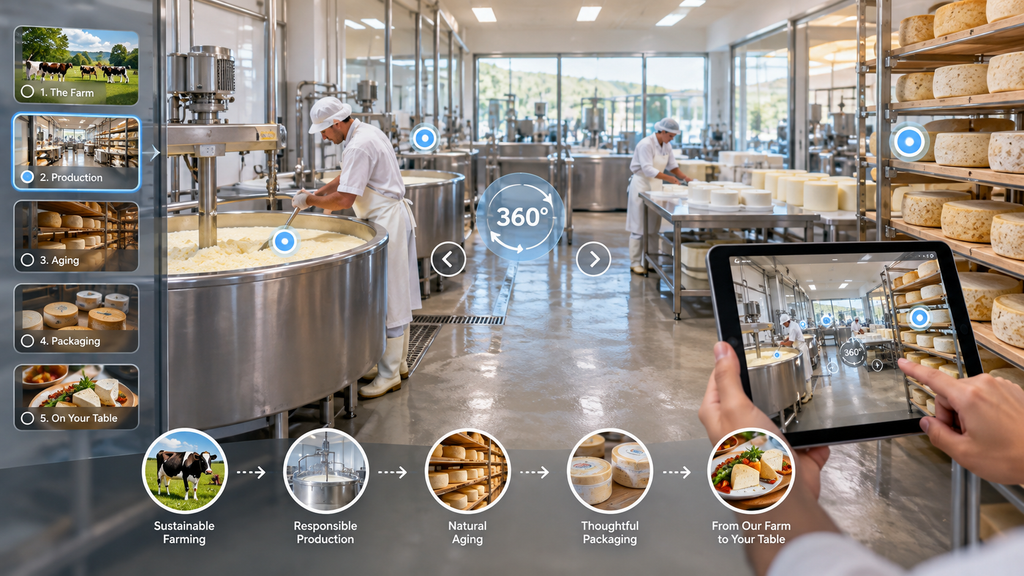
Interactive 360° Virtual Tours allow users to explore production facilities and food processing environments without physically traveling.
Practical applications:
- Virtual visits to farms, dairies, wineries and food production facilities.
- Interactive journeys illustrating the origin of raw materials and the different stages of food processing.
- Digital experiences showcasing local producers, sustainable practices and regional food traditions.
Virtual Tours can strengthen connections between producers and consumers, promote supply chain transparency and expand access to educational and informative experiences.
AR Market: Immersive Experiences for a More Conscious Food Future
The digital transformation of the agri-food sector is not only about improving production efficiency. It is also about the ability to communicate, educate and engage.
Through Augmented Reality, Virtual Reality and Virtual Tour solutions, AR Market can support businesses, institutions and organizations in creating interactive digital experiences focused on food sustainability, product promotion and education.
From virtual journeys through food production chains to AR-enhanced product experiences and immersive training environments, technology becomes a bridge between innovation and knowledge.
“Innovating Today to Nourish Tomorrow”
Building resilient food systems means using resources more efficiently, reducing waste, sharing knowledge and empowering people to become active participants in change.
Immersive technologies do not replace the expertise and traditions of the agri-food sector. They enhance them, making knowledge and experiences more accessible and shareable.
Because the future of food depends not only on what we will be able to produce, but also on how well we understand, protect and share our resources.
AR Market – Technology Connecting People, Knowledge and the Future. Contact us to know more.